
Maslow's Security Operation Centre (Part 1 – Basic Needs)
One of the most frequent and dangerous threats to security operations is inside the organisation.
This threat can stop your monitoring in its tracks; it can reduce your ability to not only detect threats but make it impossible to respond to them. Its effects can be hugely devasting can even set back your operation by years.
The problem is staff retention.
On average, security operation centres suffer staff attrition of 50% every two years. That is a shockingly high number, and in a world where we have a Cyber Skills shortage, we need to be able to retain our staff.
There are many reasons why staff leave operations roles, from wanting to get away from demanding shift work or moving to more lucrative salary roles, and you may think there isn't much to be done about this, but that is just turning a blind eye.
It would be best if you looked after your staff's needs.
Enter Maslow
In 1943, a psychologist called Abraham Maslow wrote a paper called "A theory of human motivation". In this paper, he described a pyramid of needs. Ultimately, when humans meet their needs, they become more motivated and satisfied with life.
He broke up these needs into categories – Physiological, Safety, Belonging, Esteem and Self-actualization.
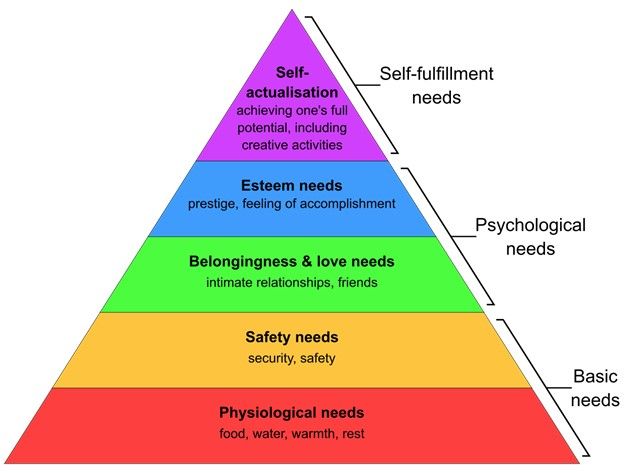
Now you might be thinking, what does this have to do with a Security Operation Centre, well I believe a lot. If you provide these needs for your staff, they will stay with you longer, be more motivated in their job, and bring about immeasurable benefit to your organisation.
So, let's start with the basic needs, the non-negotiable requirements for your staff.
Warmth
In my first Security Operations role – we set up our operation centre in an old meeting room at the back of the building. Two of its walls were nothing but glass. In the day, the room was fine, it was bustling with busy analysts, and the warm sun poured through the glass.
But when it came to the night shifts, it got cold. Most offices have central heating set up to keep the office warm during the day, but once all the daytime workers go home, the office becomes empty, and the warmth they generate through running machines and body heat is lost.
And by the early hours of the morning, the building can become cold. Added to this, your workers who are punishing their bodies by forcing them to be awake longer than they should become more vulnerable to the cold, and they feel it more.
In that first operations role, we complained to our manager for months that the room was too cold to operate in, especially during the winter nights, but the company did nothing. So instead, our lockers were filled with blankets and hot water bottles; some even brought in electrical heaters (massive fire and insurance risk).
Staff hated the cold nightshifts, and they'd do everything they could to avoid them. And what's more, instead of monitoring the systems, analysts would spend their time trying to stay warm and comfortable.
When setting up a night shift, make sure staff can keep themselves warm, speak to building managers about turning up the heat in the evenings, or if you're building a room out, ensure there is access to the heating controls of the room.
One analyst bringing in one dodgy electric heater could have set fire to that operations room. So then your whole organisation is unprotected because you did not provide that basic need for warmth.
Food and Water
What options does your staff have on a night shift? You might think it is not your responsibility to feed and water your team, but their diet can significantly affect their performance and mindset.
You can't make your staff eat healthy meals. Still, by not allowing them to provide for themselves, you limit them to expensive, unhealthy takeout, which can deteriorate staff mental and physical health. As a result, it is a common gripe for nightshift staff in their exit interview to say that they are leaving because they require a healthier lifestyle.
And while it's not always possible to have on-site kitchens, ensuring at least a microwave, kettle, water fountain and even a toastie maker can make much difference to staff and help satisfy these basic needs.
Some of the best evidence for diet is a factor in productivity can be seen in a recent study, where Adults who ate more healthily over 13 days showed 25% higher job performance.
Rest
Rest again seems like it's out of your remit. And that it shouldn't matter to your operations how much sleep your staff are getting. But in reality, the rest levels of your team should be a huge concern for you.
From alert fatigue, energy-draining rota patterns, rapid incident turnover, staff working extra shifts, and overtime to manage incidents. As a result, security staff can quickly become overwhelmed.
A tired and unrested analyst will make more mistakes, react slower, and be more unproductive than their well-rested counterpart. Therefore, one significant contributor to the state of your staff is their rota pattern.
I've seen many rota patterns in my time, and the good ones have one thing in common, they make sure that they give staff enough time to maintain a semi-decent sleep pattern.
The worst rota patterns are the ones that have staff constantly switch between morning, days, nights leading to them becoming sleep exhausted.
Do your staff have a place to relax at work? A coffee break area? A quiet corner? Getting away from the screen after a busy period can help your staff recharge, by providing no respite areas for them, can lead them to burn out and seek other employment.
Until next time!
LR