
Maslow’s Security Operation Centre (Part 3 – Belongingness)
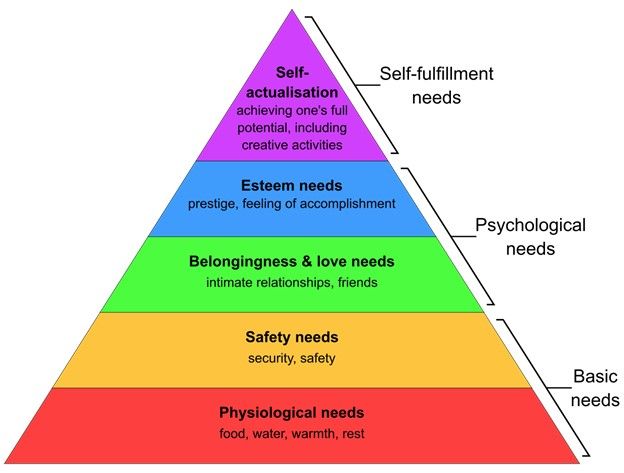
After physiological and safety needs are fulfilled, the third level of human needs is interpersonal and involves feelings of belongingness. According to Maslow, humans possess a compelling need for a sense of belonging and acceptance among social groups, regardless of whether these groups are large or small; being a part of a group is crucial, regardless of it being in work, sports, friends or family.
Your staff are in many workgroups. First, at the most extensive level, they are part of a company, then they are part of an organisation function, then they are part of a group, then they are part of a team. And if you can help your staff realise this, and enforce this, you’ll increase your staff’s teamwork, and bring about more benefit to your organisation.
Team Bonding
So how do you build friendship in your team? One of the most effective ways is with team bonding exercises, and as cringeworthy as that statement sounds, it does work.
Taking your staff outside of a work environment can give your team the chance to show off skill sets and attitudes that might not be present during the working day. But it’s not just off-site days. Think about team dinners, team lunches, after-work activities. They can all contribute to a more social team.
But it’s not just the things we do outside of work that builds strong team bonds, but also inside of work. Having clearly defined roles and responsibilities will lead to individuals understanding each other and help prevent misunderstandings about whose job it is to do what.
Having teams run group projects, and giving them autonomy in decision making, is another way to exercise that teamwork muscle.
We also spoke in an early article on having a resting area outside the operation centre, where staff can switch off and recover from their busy activities. In addition, having T.V or even a table football present can allow the team to socialise within work.
Likewise, I’ve seen shifts cook and eat together with catering abilities, and while it fulfils a basic need, it can offer higher needs in that yearning to belong to a group.
Meetings
We mentioned briefly the need to have one to one, so staff can bring up any issues they’ve had on shifts. It’s also essential for you to discuss how they are getting along with their team.
You will have those moments where staff don’t get on and cannot work together. Forcing the situation for any period will lead to a lack of respect and distrust and can force both parties to seek outside opportunities.
Again, when a staff member confides in you that they don’t get along with another team member, it’s essential to act on it. A simple shift change quickly can stop harmful interactions that can permanently sour the operation centre.
Staff, especially more junior, are unlikely to bring this up in a meeting without prodding unless it has become a serious stress point for them. So be sure to ask how they are doing within their team in their one to one.
Personalities
Ultimately you can’t control who likes who, but just by being around your team and watching how they interact, you can get an idea of what bonds are present in work. And if you feel that there are those not engaging or not wanting to develop work-friend relationships, that’s okay too. You don’t want your work environment to become like an episode of the Office. And those individuals may have that need for friendship already taken care of, or they are focused on other parts of their life. All you are doing here is allowing your staff the opportunity to develop mutual respect.
Until next time!
LR